Picture this: A client walked into a strategy call with a promotion that felt completely harmless. Tag two friends and post the campaign to your story, and you’re entered to win a year of free service. The team was excited. Projected engagement numbers looked great on the slide. Nobody in that room had asked the one question that actually decided what they were building: was this a contest, or was it a sweepstakes?
Regulators don’t care what a promotion is called. They care about its mechanics, and that gap between the label on the landing page and what the mechanics actually do is exactly where marketing teams tend to make mistakes without realizing it.
Why the law draws this line
Before getting into contests or sweepstakes specifically, it helps to sit with the thing both are trying to avoid becoming: an illegal lottery.
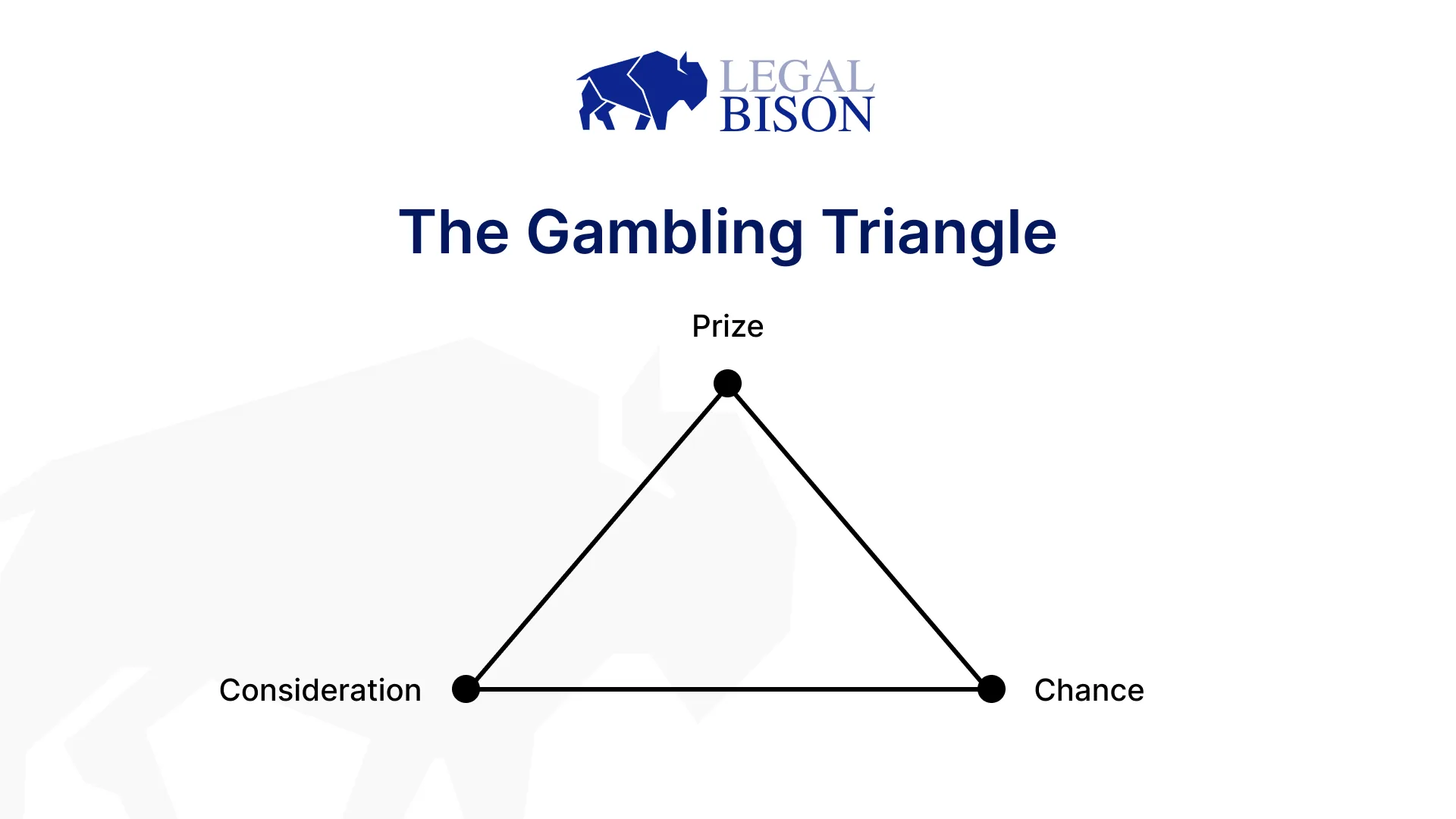
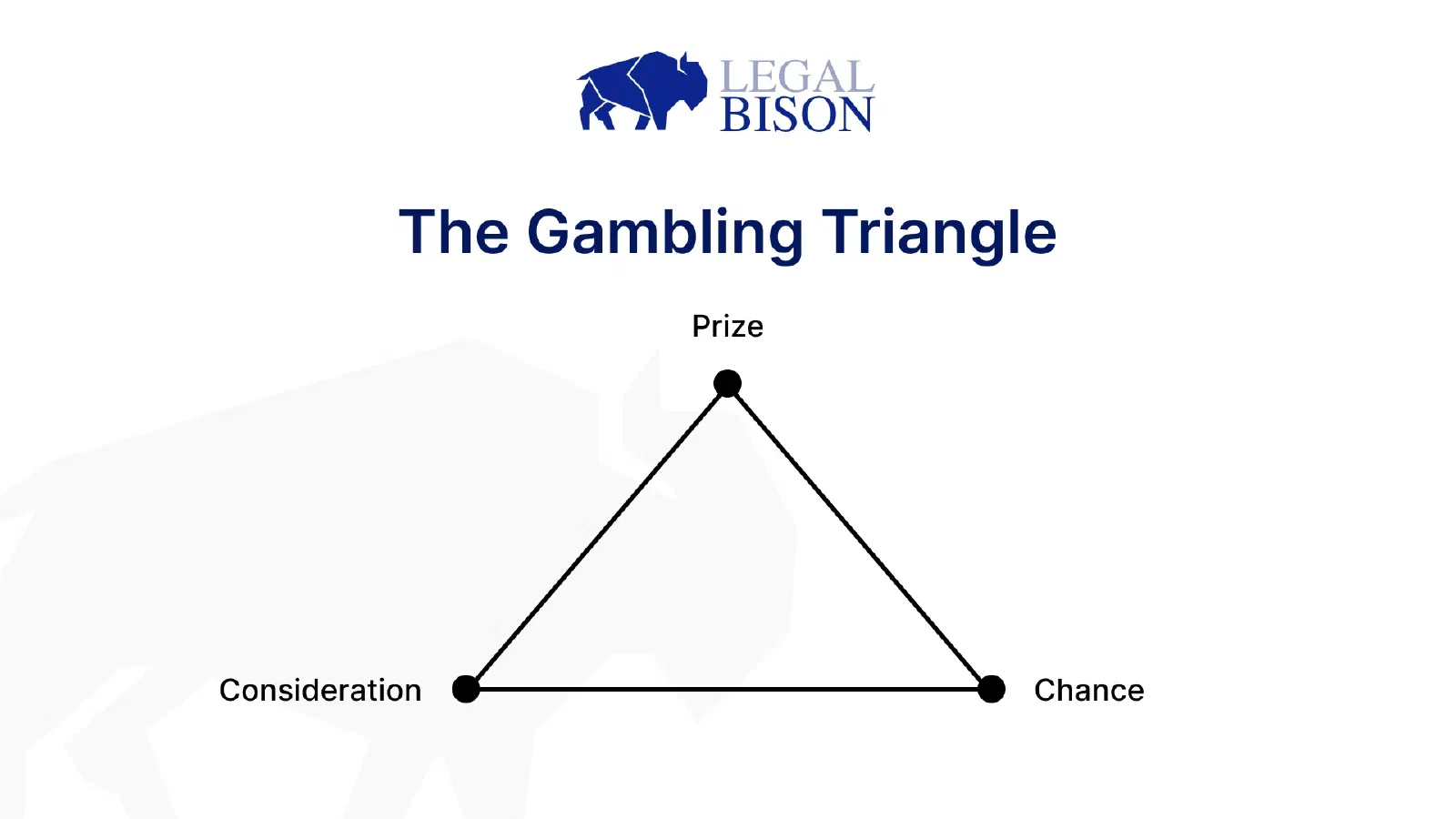
State lottery statutes across the US, and equivalent gambling laws elsewhere, typically hinge on a straightforward test: a prize, a winner selected by chance, and a requirement to give up something of value to enter. Take any one of those away, and the promotion falls outside the lottery definition. That’s not an accident. Lawmakers built the test around specific elements instead of banning prize-based games outright because the goal was never to stop marketing promotions. It was to stop unlicensed gambling operations from disguising themselves as such.
This is why a sweepstakes has to strip out consideration, and a contest has to strip out chance. Each format survives by deliberately engineering around one leg of that test.
Related: A Look Into Sweepstakes Sports Betting Trend and How Does It Work Legally
Sweepstakes: when chance decides
A sweepstakes lets chance make the call. Winners are drawn randomly, and the moment you build a promotion around randomness, a specific set of obligations kicks in that a lot of teams don’t budget for.
Entry has to be free. Every entrant needs a genuine, no-purchase path into the draw, commonly called an alternate method of entry (AMOE), and that alternate path has to give the same odds as anyone who engages with the brand directly. A mail-in entry option buried in a six-point font at the bottom of a terms page will not survive scrutiny as a real alternative if a regulator ever tests it.
We have reviewed promotions that looked airtight on the surface: a prominent “No Purchase Necessary” disclaimer, a winner announced on schedule, a clean-looking terms page. What broke them was fine-print steering; paying entrants toward better odds than the free-entry group, effectively bringing consideration back through the back door.
Compared: Is It Sweepstakes or Gambling?
Contests: when skill has to hold up
A contest runs on the opposite principle. Skill, not chance, decides who wins. That single design choice is what keeps a contest out of gambling law entirely.
The catch is that “skill-based” has to survive scrutiny from a regulator. A judging rubric with defined, weighted criteria and judges who can explain their scoring holds up. A vague promise that “our team will pick the best entry” does not. We have seen promotions where the creative brief described a skill contest, but the actual judging process was closer to a coin flip dressed up with a scoreboard. That gap between how a marketing team describes a promotion and how a regulator would actually test it is where the legal exposure really begins.
The mechanic teams don’t flag as payment
Here is where teams get tripped up without realizing it. Tag friends. Share your story. Refer someone who signs up. None of that looks like money changing hands, so most teams never think to ask whether it counts as consideration.
In practice, we’ve seen state regulators treat this kind of non-monetary effort, generating promotional or marketing value for the brand through shares or referrals as consideration in its own right. Consideration can be monetary or non-monetary. Requiring entrants to spend significant time or effort can qualify. The practical test we apply before any promotion mechanic ships: does the entry require the participant to do something of value to the brand beyond simply showing up? If the answer is yes, that mechanic needs a legal review before launch, not after a regulator asks about it.
Where “giveaway” fits in
“Giveaway” is not a legally defined term in most jurisdictions. In practice, it’s used colloquially to describe both sweepstakes and contests. A giveaway that selects winners by chance without requiring payment is functionally a sweepstakes. A giveaway that selects winners based on judged skill is functionally a contest. The label doesn’t matter, the mechanics do. Calling something a “giveaway” doesn’t exempt it from the same legal analysis.
Also read: How to Start a Sportsbook Business
Who enforces this
The FTC monitors promotions at the federal level, and state attorneys general enforce their own lottery and consumer protection statutes independently. A single national campaign can trigger scrutiny in multiple jurisdictions at once.
Enforcement rarely starts with a lawsuit. That sequence tends to start with a letter, a distinction that matters when the promotion has already ended and the brand is left explaining itself to a state AG. That is worth remembering the next time a quick giveaway feels too small to bother reviewing.
How other jurisdictions draw the line
While the US framework provides a useful baseline, the rules shift notably once a promotion crosses a border.
In Canada, for instance, a sweepstakes open to Quebec residents requires a skill-testing question to bypass lottery restrictions, and the province imposes its own registration and bonding requirements that catch many US-based teams off guard.
Across the EU and UK, the emphasis tilts toward data privacy and consumer protection: a referral mechanic that relies on sharing contact details may run straight into GDPR consent requirements, and promotional communications often need to be structured as opt-in rather than opt-out.
In Australia, state-based permits kick in for trade promotions valued above certain thresholds, with filing deadlines that rarely align with a typical US launch calendar. We treat these jurisdictional divergences as a core part of the risk assessment, because a campaign that clears US law comfortably can still trigger fines or takedown orders elsewhere.
Why the stakes are higher in regulated industries
A retail brand running a flawed sweepstakes typically absorbs a fine and moves on. The exposure looks different for a company that already holds a gambling license, a crypto platform running a “trading contest,” or a fintech layering a referral sweepstakes on top of a regulated financial product.
In those cases, a promotion stops being a purely marketing decision. It now touches the same regulatory relationship that governs the company’s core license. A regulator reviewing a licensee’s marketing practices asks a broader question than whether one giveaway looks fine in isolation: does this operator actually understand the line between a promotion and unlicensed gambling activity, or did they just get lucky this time?
That is why, at LegalBison, promotion mechanics for our gambling and crypto clients get routed through the same compliance review as any other regulated activity, not treated as a separate marketing sign-off. One of the recent examples that’s within this sweepstakes-raffle-crypto setup is watch.fun.
We don’t run promotions through a checklist. We ask one question first: what decides who wins: chance or skill, and can we defend that answer to a regulator who has never seen our creative brief?
Chance-based mechanics need a genuine free path in, with equal odds for everyone who takes it. Skill-based mechanics need a rubric that survives being read aloud by someone whose job is to find the gap. Any mechanic built on tagging, sharing, or referring gets flagged for legal review before the launch date locks.
Every promotion idea eventually forces the same fundamental judgment call: are we relying on chance or skill, and if neither fits cleanly, have we accidentally built a lottery? Once a marketing team can answer that on its own, before the promotion goes live, it has internalized the thing that actually protects the brand.